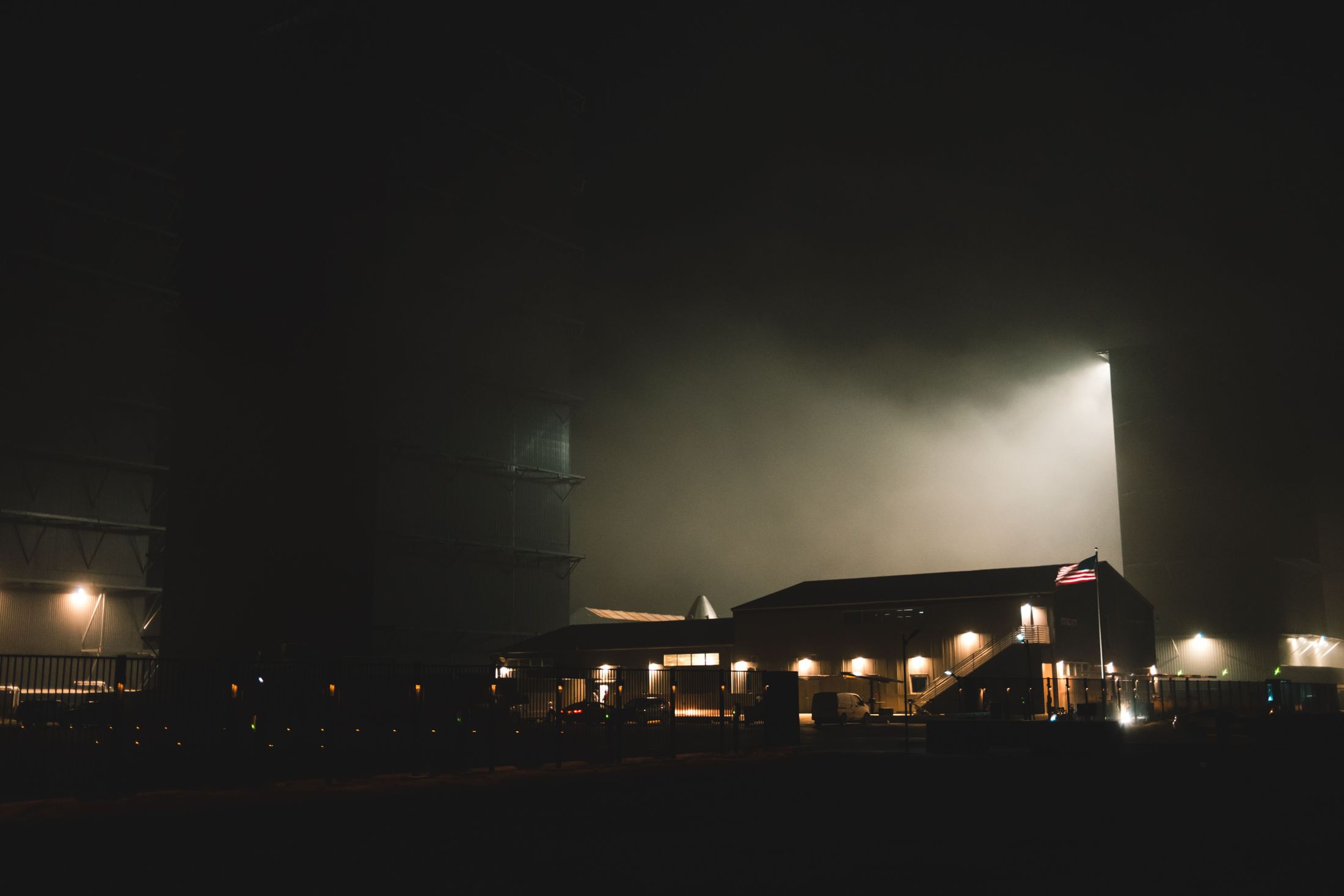
Every data center converts nearly every watt it draws into heat — a continuous, already-paid-for river of warmth — and America vents almost all of it into the sky. Meanwhile our farms are going bankrupt, our produce is being recalled, and one in seven of our neighbors is hungry. We connect the pipe.
Family-farm Chapter 12 bankruptcies filed in 2025 — up 46%, the second straight annual increase (American Farm Bureau / U.S. Courts)
Record sector-wide farm debt, with a record $33B in interest due this year (USDA forecast)
Americans in food-insecure households — 1 in 7 households, including 14.1 million children (USDA ERS, final Household Food Security report) — in Virginia, more than 700,000 of our neighbors
Sources linked live. The produce that survives this system travels most of a continent to reach an East Coast plate — and as margins collapse, surviving farms are abandoning fresh produce for subsidized row crops. Fresh food is getting scarcer, pricier, and farther away — all at once.
A decade of vertical-farming ventures — capitalized, branded, genuinely able to grow clean food year-round — failed almost uniformly on one line of the P&L: the cost of warmth and light at industrial scale. The biology worked. The thermodynamics won.
Nearly every watt into the building leaves as low-grade warmth — continuous, reliable, already paid for — then gets exhausted to the sky as a disposal problem. It is the largest untapped energy asset in the country, and it's co-located with the most embattled infrastructure in America.
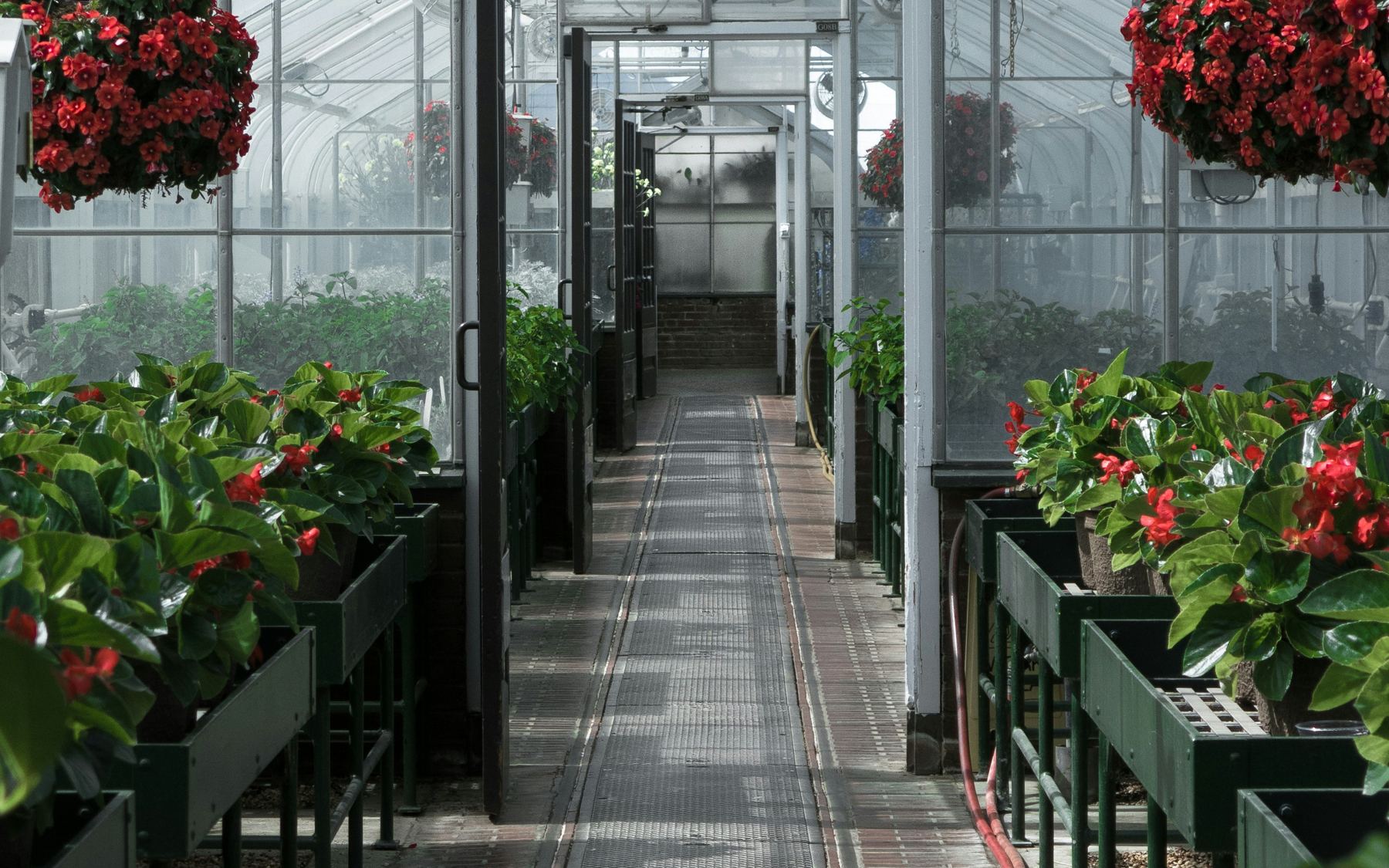
A waste-heat-recovery greenhouse beside the data center: warmed by energy the servers were going to throw away, growing fresh food all year round — through January snow, without a drop of pesticide, traceable to a single greenhouse in an afternoon — three miles from the tables that need it.
The data center runs its normal day. Nothing about its operation changes — except where its warmth goes.
A heat exchanger on the rejection loop pipes recovered warmth a few hundred feet instead of venting it to the sky.
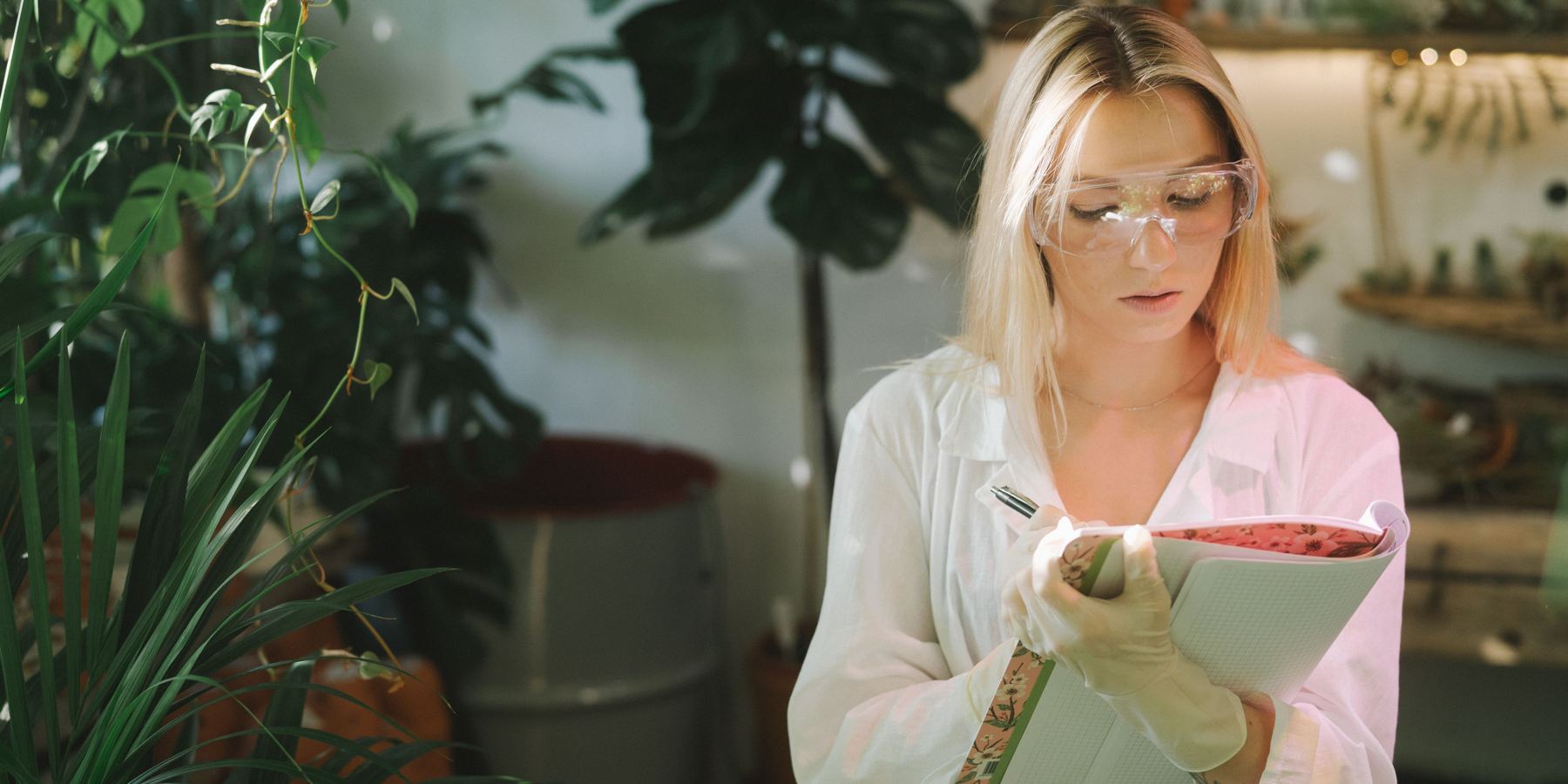
Year-round controlled-environment agriculture at energy costs no standalone farm can touch. Rain capture on the roofs. Local hands in the rows.
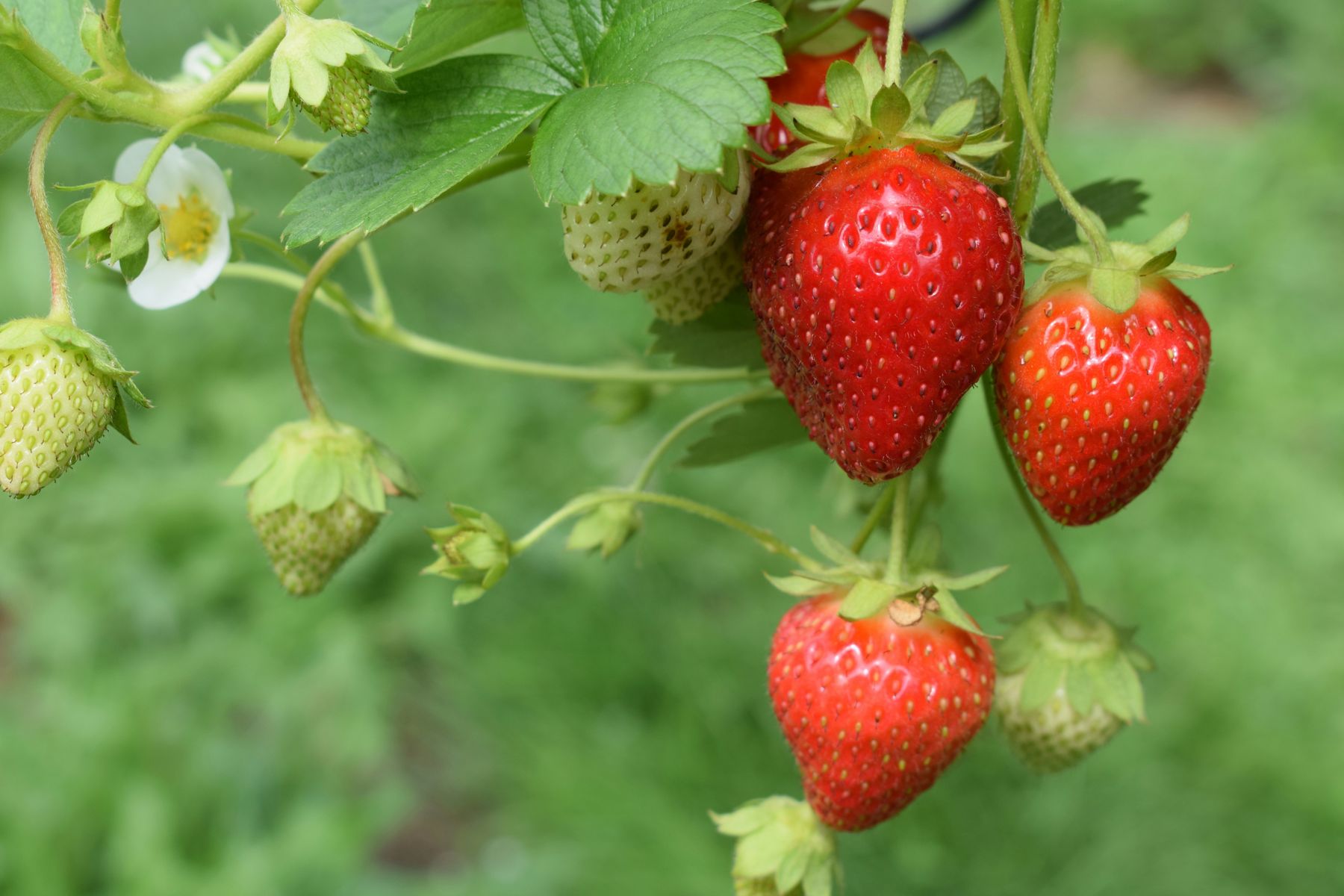
Fresh produce abounding in the county, in and out of season — moving into its markets and its pantries, grown by people who live there.
A check clears once. A farm compounds — season after season, in full view of the county. Here is what changes when the pipe connects:
Fresh, local produce so abundant that neighbors don't go hungry in the winter — and pantry volunteers unpack food picked that morning instead of sorting out what spoiled on a truck.
A crop with no winter: contracted, monthly income, co-op structured — the first new barn anybody has offered the family farm in decades. Not a competitor. An annex.
Farm jobs that never see a winter layoff, local supply chains, and the kind of durable tax base that repaves roads and helps pay teachers and first responders — the priorities even the hyperscalers now say they owe.
Food that doesn't ride 2,000 miles doesn't pay 2,000 miles of costs. Local produce at honest prices, with the trucking, chilling, and recall exposure engineered out.
Community rejection blocked $130 billion in projects in Q1 2026 alone. The farm is the cheapest social license in the capital stack — a hearing-room answer no lawyer can construct.
The most abstract industry in America gets the most concrete deliverable in civic life: an anchor that profits its builders and feeds its neighbors. That's not CSR. That's the deal that lets the future get built.
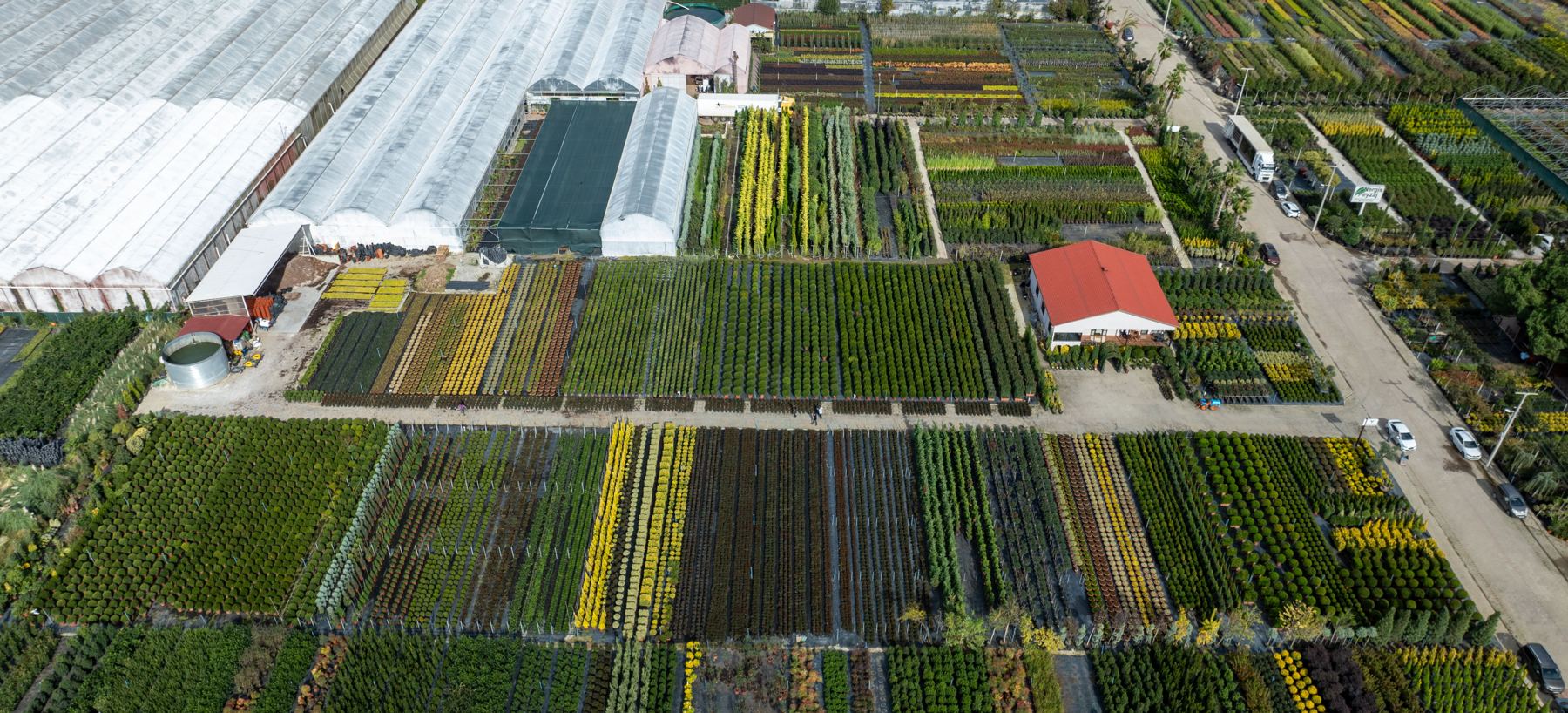
The data center capital of the world: 371 operating facilities. One recovery farm beside each — one farm per site — and the Commonwealth's harvest covers the full fresh-produce needs of every food-insecure Virginian, with room to spare.
1,287 operating data centers coast to coast — 61.4 gigawatts already running, with the wave rolling outward through the Mid-Atlantic and beyond. One farm per site, and the harvest becomes a national supply line.
The pipeline is public: 2,020 more facilities planned — a build-out toward 449 gigawatts. Every one of them will make heat. The only question this page exists to ask: does it feed anyone? Imagine the answer is yes — 3,355 farms, roughly nine million Americans' entire fresh-produce supply, grown from warmth we were going to throw away.
Data center counts and capacity: Cleanview US tracker and Virginia tracker, August 2026. Cluster placement from CBRE's top wholesale markets and publicly announced campuses. Harvest figures† use 695,000–780,000 lb a year per flagship farm by crop mix, one farm per site, and roughly 270 lb of fresh produce per person per year (USDA ERS).
Nothing about this model asks the environment for more. Every loop begins with something already made — heat already paid for, rain already falling — and closes where the harvest begins. And the fourth loop is the one nobody engineers: civic trust.
From a 45 °C tap to a 40 °C growing manifold and back: two plate exchangers, a buried pair, a four-tank bank. The plates cost temperature grade, not energy — and the campus fluid never crosses the wall.
Closed recirculation means the farm only consumes what the plants transpire — and the roof catches more than that in a dry year. No campus water enters the loop; no irrigation water leaves it.
Nothing organic leaves as waste. Spent mushroom substrate and crop residue compost on site and return to the growing media and community beds; the fertigation drain goes back to the tanks instead of running off.
People fed, grocery bills, carbon, and jobs. Here is what we're growing toward — every figure linked to its source, or marked† as a projection.
USDA's final Household Food Security report — the last one the government intends to publish — counted 47.9 million Americans in food-insecure households, including 14.1 million children. Feeding America prices the national food budget shortfall at $22.37 per person per week — a $32.2 billion annual gap.
Grocery prices keep climbing — food-at-home prices ran 2.7% above a year ago this June, with fresh produce among the categories forecast to rise faster than its historical average. And here is the structure of the problem: of a typical U.S. food dollar, 38.6¢ goes to food services, 16.1¢ to processing, and 20.1¢ to wholesale and retail — the farm's slice is a fraction of what remains. A harvest three miles from the table carries no cross-country freight, minimal cold chain, and a supply chain short enough to trace to one greenhouse in an afternoon.
The landmark Nature Food global food-miles study found transport accounts for about 19% of total food-system emissions — and that freight for fruits and vegetables emits almost twice the greenhouse gases released during their production. Our model attacks both ends: the growing runs on heat that was already made and already rejected — no new fuel burned for warmth — and the food travels miles, not time zones.
Controlled-environment agriculture pays a national average of $22.83 an hour — skilled, year-round work in growing, systems, packing, and delivery, suited to co-op contracts that put family farms at the center. And the host counties gain what data centers alone never provided: a visible, staffed, local industry whose payroll shops on Main Street.
Imagine a world where fresh, local produce is abounding — and our neighbors don't go hungry in the winter. Where carbon gets avoided instead of thrown into the air. Where food abounds because it can grow in and out of season. Here is that world, in five numbers.
A county with an application on its desk. A developer who wants the yes. A neighbor who wants to spread the word. We'd love to connect with you.
Figures marked † are modeled projections; sources are linked where cited. Photographs via Pexels and Unsplash.